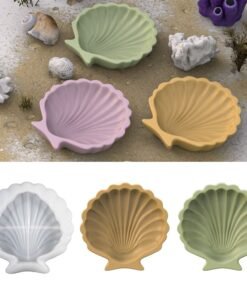
Silicone vs Plastic Moulds for Candles, Soap and Resin
Whether you are pouring sculptural ribbed pillar candles, unmoulding botanical cold-process soap bars, or casting high-gloss epoxy resin coasters, your mould is the single most critical interface in your workshop.
The mould dictates the geometric crispness of your edges, the microscopic finish of your surfaces (whether mirror-gloss or textured satin), the ease and speed of your studio demoulding workflow, and your ongoing capital replacement costs.
Makers often face a pivotal purchasing dilemma: Should you invest in premium flexible silicone moulds, or choose rigid plastic moulds (such as polycarbonate, acrylic, HDPE, or vacuum-formed PVC)?
The answer is not a simple choice of one being universally superior. Each material possesses distinct thermal tolerances, chemical compatibilities, elastic behaviors, and lifespan profiles across candle, soap, and resin applications.
This comprehensive guide breaks down the engineering characteristics, durability, cost analysis in Indian Rupees (INR), and practical studio applications of silicone versus plastic moulds.
1. Material Chemistry: Flexible Elastomers vs. Rigid Polymers
To make informed studio equipment investments, understand what happens at the boundary layer where liquid media meets mould wall:
Platinum-Cure Liquid Silicone Rubber (RTV-2)
Silicone moulds are formulated from cross-linked polydimethylsiloxane polymers:- Elasticity and Elongation: High-grade platinum silicone exhibits elongation ratings between 350% and 600%. It can stretch effortlessly over dramatic undercuts, negative draft angles, and organic anatomical shapes without tearing.
- Surface Energy: Silicone has exceptionally low surface tension, meaning molten waxes, resin mixtures, and curing soaps have virtually zero mechanical adhesion to its walls. No chemical release agent is required for most casts.
- Thermal Resistance: Tolerates temperatures from -40°C up to +200°C without warping or degrading.
- Explore our 15 Shore A platinum silicone rubber for custom atelier mould making.
Rigid Plastics: Polycarbonate, HDPE, and Acrylic
Plastic moulds cover several distinct thermoplastic polymers:- Polycarbonate (PC): An ultra-rigid, transparent engineering thermoplastic with extreme impact resistance and high thermal tolerance (up to 120°C). It is the premier choice for classic geometric pillar candles, tapers, and fine ribbed columns.
- Cast Acrylic (PMMA): Optically clear and rigid, commonly used for slab soap mould dividers and precision resin box forms.
- High-Density Polyethylene (HDPE): A dense, milky-white plastic with natural lubricity and high chemical resistance, making it the ultimate workhorse for cold-process soap loaf boxes.
- Vacuum-Formed PVC / PETG: Thin, inexpensive clear plastic sheets pressed over master forms; common in hobby kits.
2. Head-to-Head Performance Across Crafts
Let us evaluate how silicone and plastic perform across the three major craft disciplines:
Application 1: Sculptural & Pillar Candle Making
- Silicone Moulds: The undisputed champion for sculptural, organic, twisted, and figurine candles. Complex forms (like female torsos, bubble cubes, knot candles, and floral spheres) have deep undercuts that would permanently lock inside a rigid mould. Silicone peels away like a glove.
- Polycarbonate Moulds: The gold standard for sleek, straight-sided geometric pillars, taper candles, and fluted cylinders like our semi-round taper mould and premium ribbed polycarbonate mould. Polycarbonate creates razor-sharp, mirror-smooth wax surfaces with zero seam lines. Because polycarbonate is rigid, it produces perfectly vertical, straight pillars that never bow or bulge under the hydrostatic weight of hot wax.
Application 2: Soap Making (M&P vs Cold Process)
- Silicone Moulds: Perfect for single-cavity novelty shapes, intricate floral guest bars, and flexible loaf liners. Because silicone is non-reactive, it withstands the high alkalinity of cold-process soap (pH 12+) with ease. Demoulding is as simple as pressing the back of the cavity to pop the bar out.
- Rigid HDPE and Plastic Moulds: Large commercial production ateliers prefer heavy HDPE block moulds for cold-process soap. HDPE retains heat uniformly during the saponification gel phase, never stretches over time, and allows precise multi-wire slicing into uniform commercial bars. However, thin rigid plastic cavity moulds require freezing or tapping to release cold soap without gouging.
Application 3: Epoxy Resin and Eco-Stone Casting
- Silicone Moulds: High-gloss platinum silicone replicates optical glass finishes with zero polishing required. Essential for small resin jewelry, faceted crystals, and coasters like our concrete water ripple oval tray mould. However, epoxy resins generate aggressive exothermic heat; repeated resin casting extracts plasticizers from silicone, causing micro-tearing and dull surface hazing after 25 to 40 casts.
- Rigid HDPE / Polypropylene Forms: The industry standard for large resin river tables, architectural wall panels, and wide Jesmonite trays. Wide silicone moulds bow and sag under heavy resin weight, resulting in uneven tabletop coasters. HDPE forms with screwed or clamped edges guarantee dead-flat, laser-straight casting bases.
3. Comprehensive Performance Comparison Table
| Feature | Platinum-Cure Silicone | Polycarbonate / HDPE Plastics | Vacuum-Formed PVC | | :--- | :--- | :--- | :--- | | Undercut Capability | Excellent (Stretches 400%+) | Zero (Requires positive draft) | Poor (Cracks easily) | | Surface Finish Quality | High gloss to satin (Flexible) | Mirror-glass crispness | Moderate (Shows tool marks) | | Structural Rigidity | Pliable (May bulge if tall) | Laser-straight, non-deforming | Flimsy; requires support | | Expected Lifespan | 100 to 300+ casts (Wax/Soap) | 500+ casts (Virtually indefinite) | 15 to 30 casts | | Chemical Resilience | High against alkali and acids | High against wax; medium vs resin | Low (Warps with heat) | | Average Cost per Mould (INR) | ₹350 to ₹950 | ₹250 to ₹650 | ₹80 to ₹150 |
4. Cost Analysis and Longevity in Indian Studios
In commercial craft manufacturing, mould expense must be amortized across your production volume:
Cost per Cast Breakdown:
- Option A: High-End Platinum Silicone Figurine Mould (₹650)
- Option B: Polycarbonate Ribbed Pillar Mould (₹450)
- Option C: Cheap Vacuum-Formed PVC Mould (₹120)
Strategic Takeaway: While cheap plastic moulds appear attractive on marketplace portals, their rapid failure rate makes them the most expensive option per unit. Premium silicone is the superior investment for sculptural and undercut designs; heavy-duty polycarbonate is the superior investment for high-volume geometric production.
Browse our silicone moulds collection and culinary & pillar moulds catalog to choose verified tools for your production line.
5. Cleaning and Maintenance Rules to Maximize Mould Life
1. Never Use Sharp Tools: Prying stuck wax or cured resin out of moulds using knives, screwdrivers, or scissors permanently scratches interior walls. Every future cast will faithfully replicate the gouge mark. 2. Thermal Release for Rigid Polycarbonate: If a candle sticks inside a polycarbonate mould, place the mould inside a refrigerator (not freezer) for 15 to 20 minutes. Wax contracts significantly more than polycarbonate under cooling, breaking the vacuum seal with an audible pop. 3. Wash Silicone with Warm Soapy Water Only: Solvents like acetone, mineral spirits, or neat alcohol dissolve natural silicone plasticizers, causing embrittlement and tearing. Use warm water and mild dish soap. 4. Store Completely Flat: Store silicone moulds upright or flat in dust-free drawers. Stacking heavy raw materials on top of flexible silicone induces permanent indentations and warped shapes.