Pricing Handmade Candles and Soaps: Formula and Margins
One of the most persistent reasons promising handmade candle and artisan soap brands in India shut down within their first twelve months has nothing to do with product quality. Their candles smell divine, their soap bars lather beautifully, and their Instagram aesthetics are immaculate.
They fail because they fundamentally underprice their work.
Many creators fall into the trap of "hobbyist pricing": they tally up the raw wax and fragrance cost, tack on a modest ₹50 or ₹100 profit margin, and price a luxury soy candle at ₹299. They forget labor, fail to factor in studio overheads, ignore packaging box inserts, and completely disregard the mandatory wholesale margins required when a boutique hotel, retail gift shop, or wedding planner asks for a bulk order of 200 units.
When you underprice, every sale actually costs you time and money. You cannot afford digital marketing, you cannot hire studio help, and you cannot reinvest in bulk raw materials to unlock wholesale volume discounts.
This guide provides an exact, battle-tested financial formula tailored for the Indian craft and cosmetics market to calculate your Cost of Goods Sold (COGS), labor, overheads, wholesale prices, and retail prices in Indian Rupees (INR).
1. The Anatomy of Cost of Goods Sold (COGS)
Your Cost of Goods Sold (COGS) is the direct variable cost required to manufacture a single finished unit. It consists of two sub-categories: Direct Raw Materials and Primary Packaging.
Component A: Direct Raw Materials
Measure every ingredient down to the exact gram or milliliter:- For a 200g Scented Soy Candle:
- For a 100g Artisan Melt-and-Pour Soap Bar:
Component B: Packaging & Unboxing Experience
Packaging is often where uncalculated expenses quietly erode margins:- Glass Jar with Wooden Lid from our candle jars collection: ₹45.00
- Custom Matte Vinyl Front Label: ₹6.50
- Regulatory Base Warning Safety Label: ₹2.50
- Rigid 3-Ply Kraft Outer Box / Custom Printed Mono-Carton: ₹22.00
- Custom Butter Paper Wrap + Branded Sticker: ₹3.00
- Thank You / Care Instruction Insert Card: ₹2.50
- Subtotal Packaging = ₹81.50
Total Direct COGS (Candle Example):
₹101.98 (Ingredients) + ₹81.50 (Packaging) = ₹183.48 per finished candle.2. Calculating Labor and Studio Overheads
This is the step that separates amateur hobbyists from sustainable business founders. You must pay yourself for your time.
Labor Rate Calculation
Determine your desired hourly wage as an artisan producer. In India, a reasonable starting artisan labor benchmark is ₹300 to ₹500 per hour.- If a production run of 20 candles takes 2 hours of active labor (melting, wicking, pouring, trimming, labeling, box packaging):
Studio Overhead Allocation
Overheads represent the indirect costs of operating your workshop:- Studio electricity (melting pots, heat guns, lighting)
- Internet, software subscriptions (Canva, Shopify, accounting tools)
- Amortized tool depreciation (scales, thermometer, silicone moulds)
- R&D burn testing batches and formulation waste (spillage, testing samples)
- A standard industry practice is allocating 10% to 15% of your direct material costs toward studio overhead:
Total Cost to Produce (True Unit Cost):
Direct COGS (₹183.48) + Labor (₹40.00) + Overhead (₹27.52) = ₹251.00 per finished candle.3. The Classic Wholesale and Retail Multiplier Formula
Now that you know your true unit cost (₹251.00), apply the industry-standard multi-tier pricing formula:
$$\text{Wholesale Price} = \text{Total Cost to Produce} \times 2$$ $$\text{Retail Price (MSRP)} = \text{Wholesale Price} \times 2 \quad (\text{or Total Cost to Produce} \times 4)$$
Let us run the numbers for our candle example:
1. Wholesale Price (B2B):
- ₹251.00 × 2 = ₹502.00 per candle (Minimum Order Quantity: 24 to 50 units).
- Your Gross Profit on Wholesale: ₹502.00 - ₹251.00 = ₹251.00 net profit per unit (50% gross margin).
- Why This Matters: When a lifestyle boutique, concept store, or corporate client orders 200 candles, you can comfortably quote ₹500/unit and pocket ₹50,200 in clean profit without working for free.
2. Direct-to-Consumer Retail Price (D2C / MSRP):
- ₹502.00 × 2 = ₹1,004.00 (Rounded to a psychological retail price: ₹999.00 or ₹1,099.00).
- Your Gross Profit on Direct Retail: ₹999.00 - ₹251.00 = ₹748.00 net profit per unit (75% gross margin).
- Why You Need This Margin: Selling direct-to-consumer online incurs substantial acquisition costs:
If your retail price was only ₹399, one ad click and a courier return (RTO) would immediately put your business in the negative.
4. Soap Pricing Case Study: Artisan Cold-Process Bar
Let us apply the exact formula to a luxury cold-process soap bar cured for 5 weeks:
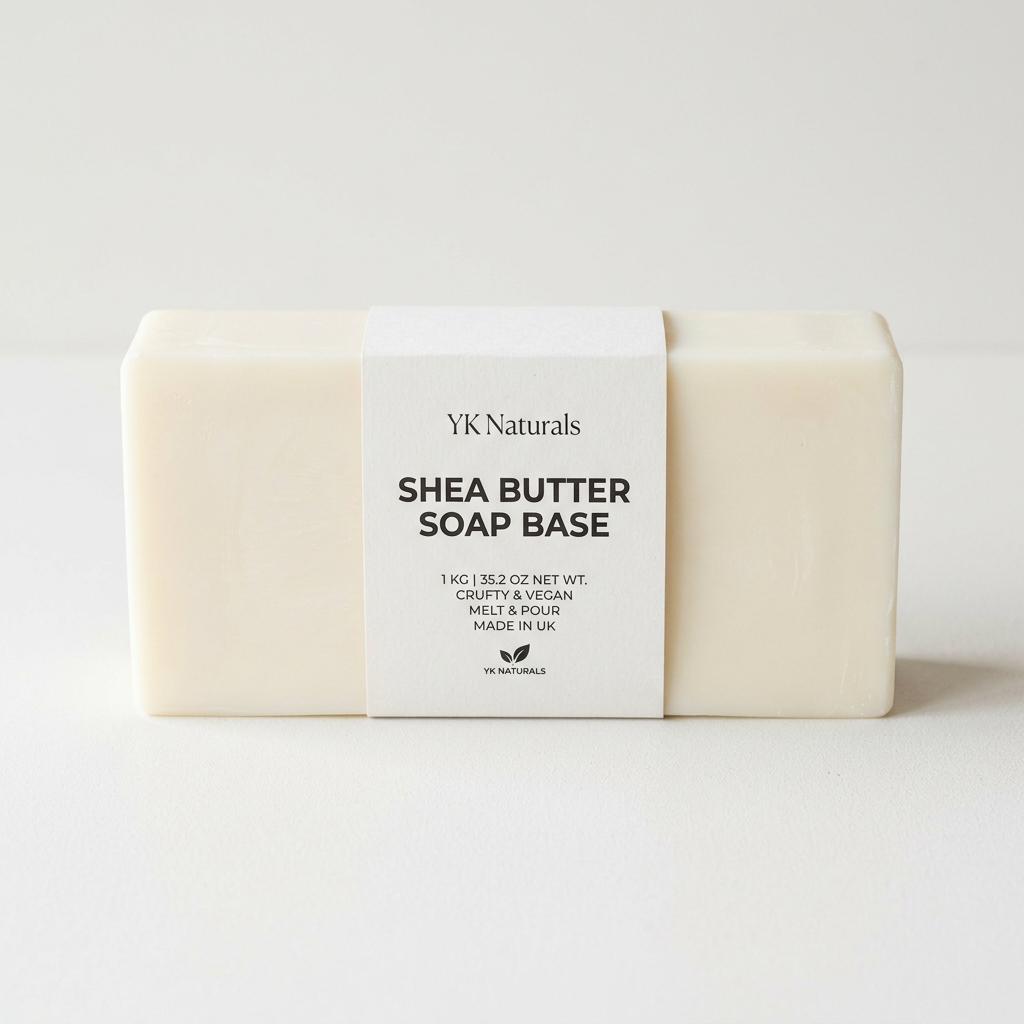
- Raw Oils & Butters: 75g oils (Olive, Coconut, Shea Butter from our raw butters catalog) = ₹28.00
- Lye (NaOH) & Distilled Water: ₹3.50
- Skin-Safe Fragrance & Botanicals: ₹8.50
- Custom Kraft Paper Box with Die-Cut Window: ₹14.00
- Direct Material & Packaging COGS: ₹54.00
- Artisan Labor Allocation (Cutting, beveling, stamping, packaging): ₹18.00
- Curing Rack Overhead & Electricity: ₹8.00
- Total Unit Cost: ₹80.00 per bar
Pricing Multipliers:
- Wholesale Price (2x): ₹80 × 2 = ₹160.00 per bar (MOQ: 50 bars)
- Retail Price (4x): ₹160 × 2 = ₹320.00 (Retail price point: ₹299 to ₹349 per bar)
5. Factoring in GST and Taxes in India
Navigating indirect taxes is critical for long-term compliance:
- Input Tax Credit (ITC): When you purchase raw materials from verified GST-registered suppliers on Ekora Bazaar, you pay 18% GST on waxes, fragrances, and moulds. If you have a registered GSTIN, you claim 100% of this tax back against the output GST you collect from your retail customers.
- Finished Good GST Slabs:
- Pricing Rule: In B2C direct retail in India, all displayed prices must be inclusive of all taxes. When setting a retail price of ₹999, the base price is ₹846.61 and the 18% GST component is ₹152.39. Always build the tax into your financial model.
Frequently Asked Questions
What if competitors are selling similar candles on Amazon for ₹399?
Mass-market marketplace sellers selling candles for ₹299 to ₹399 are using industrial petroleum paraffin, synthetic phthalate-heavy scents, lightweight machine-pressed tinplate, and mass automated pouring lines. You cannot and should not compete with mass-market factory commodities on price. Artisan brands compete on storytelling, premium non-toxic wax blends, luxury complex perfumery, superior vessel aesthetics, and high-touch gifting unboxing experiences. Position your brand in the boutique, artisanal, or luxury category where pricing reflects quality.Should I offer free shipping on my website?
Yes, Indian online shoppers have a strong psychological aversion to unexpected shipping fees at checkout. However, never absorb shipping out of your pocket. Build the average domestic shipping cost (typically ₹80 to ₹100 across India via surface couriers like Bluedart or Delhivery) directly into your retail price, and market your products with "Complimentary Pan-India Delivery on all orders above ₹499."How do I handle volume discounts for bulk corporate or wedding orders?
For orders exceeding 100 units, maintain a tiered wholesale pricing structure:- 25 to 49 units: 45% off MSRP (Small boutique retailer tier)
- 50 to 199 units: 50% off MSRP (Standard wholesale tier — exactly 2x of total cost)
- 200+ units: 55% off MSRP (High-volume corporate tier; your raw material bulk purchasing power on Ekora Bazaar offsets the slight margin reduction).
- Never discount below your Total Cost to Produce + a minimum 35% margin.