Melt and Pour vs Cold Process Soap: Complete Comparison
For aspiring soap makers and indie personal care founders in India, deciding between Melt and Pour (M&P) soap crafting and traditional Cold Process (CP) soapmaking is the single most defining fork in the road.
Both methods yield beautiful, skin-nourishing artisan bars that command healthy retail premiums across Indian lifestyle markets, boutique gifting shops, and D2C e-commerce stores. Yet from a chemical, operational, capital, and regulatory standpoint, they represent two fundamentally different manufacturing workflows.
Melt and pour offers immediate creative gratification, rapid 2-hour turnaround, and zero chemical handling of dangerous alkalis. Cold process offers total control over every fatty acid molecule, true "from-scratch" storytelling, and significantly lower raw material costs at commercial scale.
This guide provides an exhaustive, head-to-head comparison of melt and pour versus cold process soapmaking—covering raw chemistry, equipment costs in Indian Rupees (INR), curing times, design flexibility, and business profitability.
1. The Core Scientific Difference: Pre-Saponified vs. Active Chemistry
Understanding how each method works molecularly is essential:
Melt and Pour (M&P): Thermal Remelting
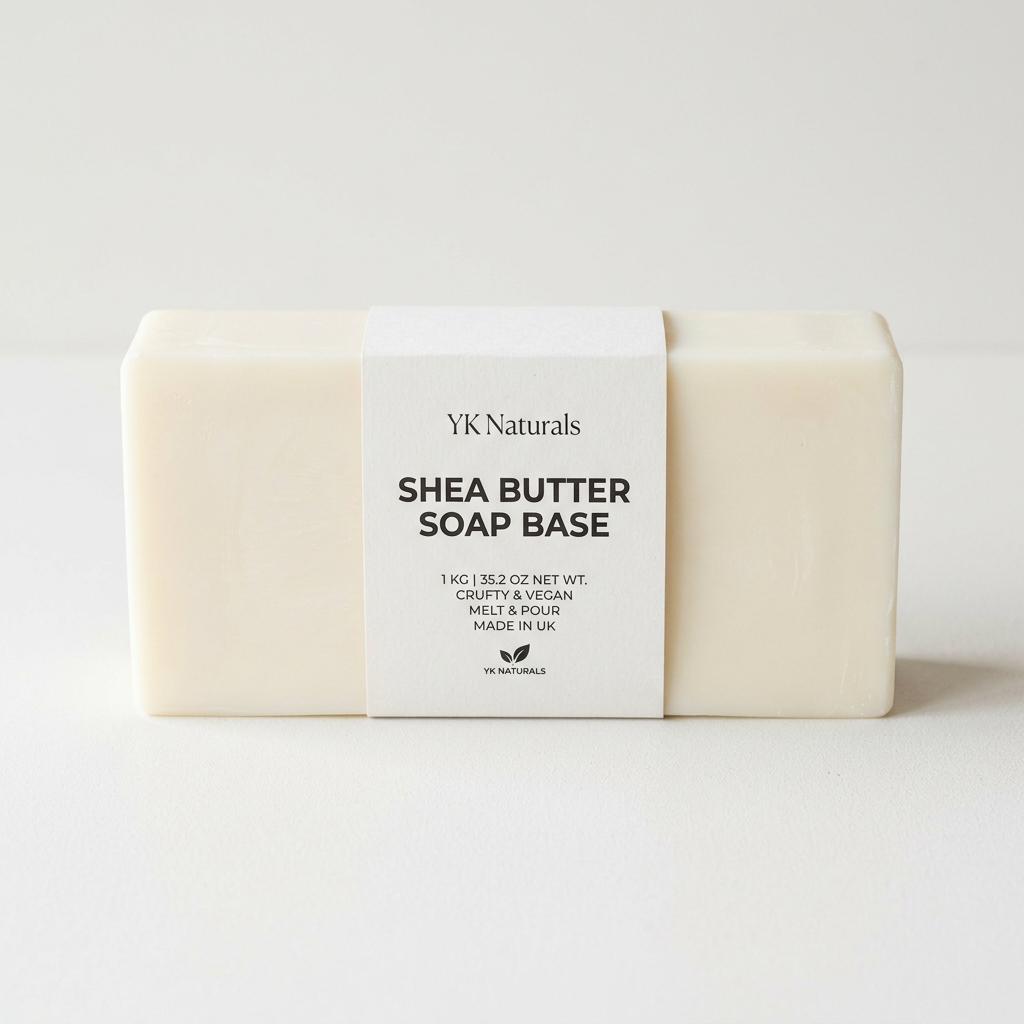
Melt and pour soap is pre-saponified. Professional chemical manufacturers have already executed the saponification reaction by reacting vegetable fatty acids (coconut, palm, castor) with sodium hydroxide (lye), adding high concentrations of humectant solvents—primarily vegetable glycerin, propylene glycol, and sugar syrups (sorbitol)—to create a transparent or opaque solid base that melts easily at moderate temperatures:- You melt the base at approximately 55°C to 65°C,
- Add colorants, skin-safe fragrances, and botanical extracts,
- Pour into moulds, and allow it to cool.
- Chemical State: There is zero active lye, zero chemical reaction occurring in your studio, and zero moisture loss required. Once the bar cools to room temperature (typically 2 to 4 hours), it is 100% ready to use or package.
Cold Process (CP): In-Studio Saponification
Cold process soapmaking is an active exothermic chemical reaction:- You calculate and dissolve pure sodium hydroxide (caustic soda, NaOH) crystals into distilled water, generating intense heat (reaching 80°C to 95°C).
- You melt and blend a custom formula of raw plant oils and butters (such as coconut oil, olive oil, palm oil, and shea butter from our raw butters and carrier oils collection).
- At matched temperatures (typically 35°C to 45°C), you blend the alkaline lye solution into the oils using a stick blender until emulsion "trace" is achieved.
- Saponification continues inside the mould over the subsequent 24 to 48 hours, generating internal heat.
- The Curing Period: Once unmoulded and sliced, cold process soap bars contain excess water that must evaporate slowly over 4 to 6 weeks on wooden curing racks. During this cure, the crystalline soap matrix hardens into a dense, long-lasting bar with rich lather.
2. Head-to-Head Comparison Table
| Parameter | Melt and Pour Soap (M&P) | Cold Process Soap (CP) | | :--- | :--- | :--- | | Active Chemical Handling | Zero lye; safe for kitchens and family workshops | Requires handling caustic NaOH (lye); mandatory goggles and gloves | | Turnaround Time | Ready to use/sell in 2 to 4 hours | Requires 4 to 6 weeks of curing before sale | | Equipment Investment (INR) | Low (₹1,500 – ₹3,000 for basic tools) | Moderate (₹4,000 – ₹8,000 for stick blender, lye-safe pitchers, wire cutters) | | Raw Material Cost per 100g Bar | Higher (₹25 to ₹40 per bar for quality base) | Lower (₹12 to ₹22 per bar in raw bulk oils) | | Control Over Formula | Limited to additives (max 3% to 5% by weight) | Total 100% control over oil ratios, superfatting, and lather profile | | Storage & Sweating Sensitivity | High; glycerin absorbs humidity (sweats in monsoons) | Low; cured bars do not sweat in humid climates | | Clarity / Transparency | Capable of glass-like optical clarity | Always opaque; cannot create transparent bars | | Design Techniques | Crisp embedded objects, clean multi-color layers | Swirls (hanger, drop, Taiwan), piped soap frosting, textured tops |
3. Equipment and Safety Requirements in India
Melt and Pour Studio Setup
M&P requires minimal capital equipment:- Microwave or simple double-boiler setup,
- Heat-resistant glass measuring jugs or silicone pouring cups,
- Digital scale,
- Isopropyl alcohol spray bottle (99% IPA to pop surface bubbles),
- Flexible silicone cavity moulds from our soap and bar moulds collection.
Cold Process Studio Setup & Safety
Cold process requires dedicated, chemical-resistant equipment:- Heavy-duty immersion stick blender (250W–400W),
- Polypropylene (#5 PP) plastic or heavy stainless steel lye-mixing pitchers (never use aluminum, as lye violently corrodes aluminum, releasing flammable hydrogen gas),
- Full Personal Protective Equipment (PPE): wrap-around chemical splash safety goggles, long nitrile gloves, closed footwear, and long sleeves,
- Well-ventilated outdoor or windowed prep area to disperse caustic lye steam during dissolving,
- Wooden curing racks with airflow space for hundreds of drying bars.
4. The Indian Monsoon Challenge: Glycerin Sweating vs Curing
Climate plays a decisive role when choosing your production technique in India:
Glycerin Dew on Melt and Pour Soap
Because commercial melt-and-pour bases contain 15% to 25% added glycerin and sorbitol (powerful humectants that draw moisture from ambient air), M&P soap is notorious for "sweating" during the Indian monsoon:- When relative humidity exceeds 70% in Mumbai, Kolkata, or coastal Kerala, tiny beads of condensed atmospheric water appear across the surface of the soap, dissolving surface details and creating sticky packaging.
- How to Combat Sweating: Demould M&P bars the moment they are cool and immediately wrap them tightly in heat-shrink plastic wrap or airtight PVC food wrap. Store finished bars with silica gel desiccant packs.
Managing Cold Process Cures in Indian Weather
Cold process soap naturally thrives during dry Indian winters, but high monsoon humidity can slow the 4-week water evaporation process:- Maintain active air circulation across curing racks using oscillating fans.
- Keep relative humidity around curing shelves below 65% using room dehumidifiers or air conditioning.
- Because cured cold process soap contains balanced physiological glycerin (typically around 8% naturally generated by saponification) without added glycols, cured CP bars resist surface sweating and perform reliably across all Indian seasons once packaged.
5. Cost Economics and Profit Margins in India (100g Bar)
Let us examine the true unit economics of both methods based on wholesale pricing in Indian Rupees (INR):
Melt and Pour Economics (Batch of 50 Bars = 5 kg):
- 5 kg High-Grade SLS-Free Goat Milk Base (at ₹280/kg wholesale) = ₹1,400.00
- 175g IFRA-Certified Skin-Safe Fragrance Oil @ 3.5% (at ₹2,200/kg) = ₹385.00
- Cosmetic Micas / Clays = ₹60.00
- Heat-Shrink Wrap + Custom Printed Box Sleeve = ₹450.00 (₹9/bar)
- Total Direct Cost = ₹2,295.00 (₹45.90 per 100g bar)
- Retail Selling Price in India: ₹199 to ₹299 per bar
- Gross Margin: 77% to 84%
Cold Process Economics (Batch of 50 Bars = 5 kg Cured):
- 3.5 kg Base Oils (Coconut, Olive, Palm, Castor at blended ₹210/kg wholesale) = ₹735.00
- 500g Technical Grade Sodium Hydroxide (NaOH) = ₹45.00
- Distilled Water = ₹30.00
- 160g Skin-Safe Fragrance Oil @ 3.2% = ₹352.00
- French Green Clay & Activated Charcoal = ₹50.00
- Recycled Kraft Paper Window Box = ₹550.00 (₹11/bar)
- Total Direct Cost = ₹1,762.00 (₹35.24 per 100g bar)
- Retail Selling Price in India: ₹249 to ₹399 per bar
- Gross Margin: 86% to 91%
Explore our verified artisan soap bases and skin-safe fragrances on Ekora Bazaar to calculate exact landed costs for your studio batches.