Soy vs Paraffin vs Beeswax: Candle Wax Comparison Guide
When starting a candle making line in India, most artisans initially obsess over fragrances: which vanilla smells richest, how much oud to blend, and what top notes to feature. Yet every experienced candle maker quickly learns a fundamental truth: the wax is the candle.
The wax is your thermodynamic engine. It dictates how cleanly your flame burns, how wide your melt pool expands, how far your fragrance projects across a room, how your candle withstands 40°C Indian summers during courier transit, and whether your finished surface looks velvety smooth or suffers from frosting and sinkholes.
Every other choice in your studio—wick thickness, fragrance percentage, pouring temperature, and container diameter—is downstream from your wax selection.
Today's makers in India primarily choose between three commercial categories: Soy Wax, Paraffin Wax, and Pure Beeswax (alongside modern coconut blends). Each wax possesses distinct chemical structures, melting points, pricing profiles in Indian Rupees (INR), and burn dynamics.
This guide provides an objective, technical comparison of soy versus paraffin versus beeswax to help you select the exact right wax for your studio formats and customer expectations.
1. Head-to-Head Comparison Table
| Property | 100% Soy Wax | Fully Refined Paraffin Wax | Pure Natural Beeswax | | :--- | :--- | :--- | :--- | | Origin & Chemistry | Hydrogenated soybean triglycerides | Refined petroleum alkane hydrocarbons | Natural animal wax (Apis cerana/mellifera) | | Melting Point Range | 49°C – 54°C (Container Grade) | 54°C – 66°C (Container to Pillar) | 62°C – 65°C (Naturally high) | | Fragrance Oil Capacity | 6% – 9% (Up to 10% max) | 8% – 12% (Highest oil load) | 4% – 6% (Natural honey scent competes) | | Hot Scent Throw | Moderate to subtle; smooth release | Maximum projection & sillage | Gentle, warm, naturally sweet | | Burn Rate & Longevity | Slow-burning, cooler flame | Fast to moderate burn rate | Slowest-burning, longest lasting | | Surface Finish | Matte, creamy; prone to frosting | Glossy, smooth, translucent | Naturally lustrous, golden sheen | | Shrinkage on Cooling | Low (2% – 3%) | High (4% – 6%) | Moderate (3% – 4%) | | Best Product Formats | Glass container candles, wax melts | Sculptural pillars, tapers, tarts | Luxury pillars, tapers, rolled sheets | | Wholesale Price (INR/kg) | ₹280 – ₹420 / kg | ₹210 – ₹320 / kg | ₹850 – ₹1,400 / kg |
2. In-Depth Wax Profiles
Soy Wax: The D2C Clean-Burning Favorite
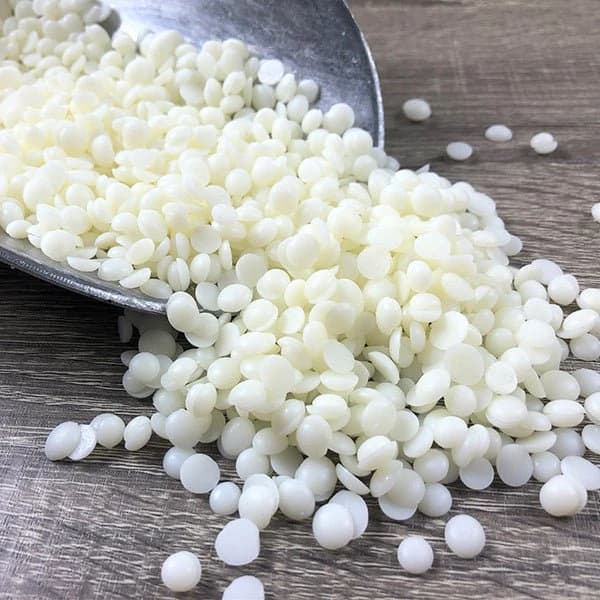
Soy wax is derived from hydrogenated soybean oil. Over the last decade, it has become the default wax for modern Indian lifestyle brands, artisan Instagram businesses, and clean-burning gifting lines:- Consumer Perception: Indian urban consumers actively seek "100% soy wax" because it burns with minimal black soot, is plant-derived and vegan, and cleans easily out of glass jars using warm water and dish soap.
- Burn Characteristics: Soy wax burns at a lower flame temperature than paraffin, resulting in a candle that burns 30% to 50% longer than an equivalent paraffin volume.
- The Challenges: Because it is a natural vegetable fat, soy wax undergoes polymorphic crystallization, resulting in surface frosting, sinkholes, and sensitivity to room temperature drafts during cooling. It requires at least 7 to 14 days of curing for optimal scent throw.
- Explore our wholesale candle waxes and additives for premium container soy flakes.
Paraffin Wax: The High-Throw Sculptural Workhorse
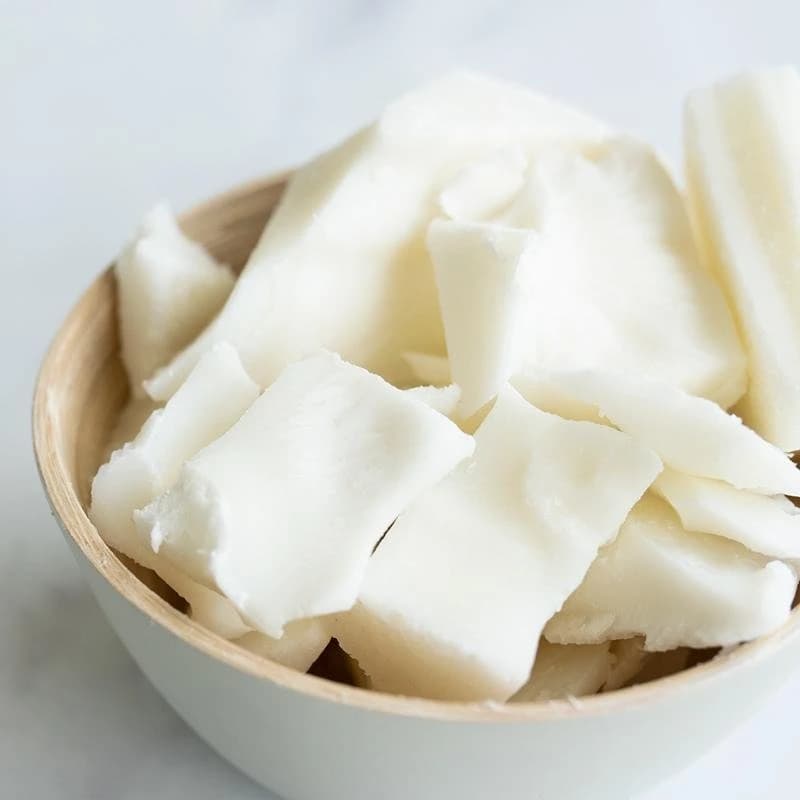
Paraffin is a hydrocarbon wax refined from petroleum during lubricating oil manufacture. Despite negative marketing from clean-beauty influencers, fully refined food-grade paraffin remains the gold standard of commercial candle manufacturing worldwide:- Scent Throw Dominance: Paraffin has an open molecular lattice that easily accommodates up to 12% fragrance oil load and releases scent molecules with unmatched strength and throw. If a customer demands a candle that fills an entire 500-square-foot living room within thirty minutes, paraffin delivers.
- Pillar & Mould Perfection: Paraffin exhibits high volumetric thermal shrinkage upon cooling. It pulls cleanly away from rigid moulds without sticking, producing razor-sharp fluted pillars, twisted tapers, and novelty statues using moulds from our candle pillar moulds collection. Check our 1 kg Paraffin Wax Slab for studio casting.
- Economic Value: Paraffin is typically the most cost-effective wax available in India (₹210 to ₹320 per kg), making it indispensable for festive mass gifting, religious tealights, and budget-friendly decorative wax melts.
Beeswax: The Ancient Golden Luxury
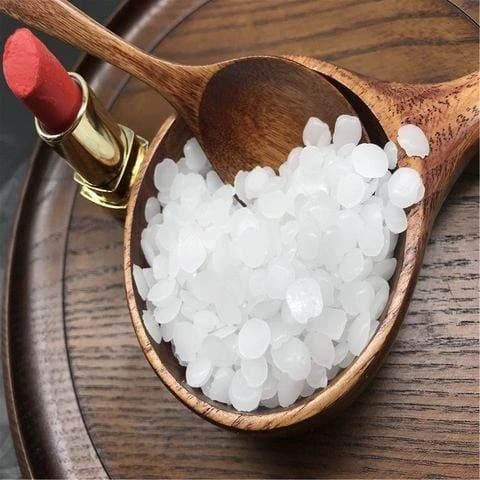
Beeswax is secreted by honeybees to construct honeycomb cells. It is the most luxurious, ecologically pristine wax available:- Aromatherapeutic Glow: Beeswax produces a warm, bright golden flame with virtually zero smoke. When burned, it emits a delicate natural honey-and-pollen aroma that naturally purifies room ambiance.
- High Melt Point Rigidity: With a natural melting point of 62°C to 65°C, beeswax is exceptionally hard and heat-resistant. It makes magnificent taper candles that burn without dripping and stand completely straight even during Indian summer heatwaves.
- The Trade-Offs: True unadulterated Indian beeswax is expensive (₹850 to ₹1,400 per kg wholesale). Its natural honey scent overpowers delicate synthetic fragrance notes, so it is best formulated unscented or paired with grounding woody essential oils like cedarwood and frankincense.
3. Performance in Indian Climates: Summer Heat & Monsoon Humidity
Makers in India face environmental hurdles that European and North American makers rarely encounter:
Surviving 45°C Indian Summers
During summer months across North India (Delhi, Jaipur, Lucknow, Ahmedabad), courier delivery vans easily reach internal temperatures exceeding 50°C to 55°C:- Soft container soy waxes (melt point ~49°C) shipped in plastic pouches or loose tins during peak June can soften, melt, and leak oily fragrance out of jar seals during transit!
- Studio Solution: Step up wax melting points for summer shipping by blending 10% to 15% high-melt-point paraffin wax or 5% pure beeswax into your soy base. This elevates thermal resistance without losing the clean aesthetic.
Managing Monsoon Humidity
During high monsoon humidity (July to September):- High ambient moisture slows down cooling times and increases surface wet spots against glass walls in candle jars and containers.
- Ensure freshly poured candles cool on elevated wire racks in air-conditioned or dehumidified rooms maintained between 24°C and 26°C.
4. How to Calculate Scent Loads by Wax Type
Each wax accepts different fragrance loads before experiencing oil separation or flame smoking. Use our free interactive Candle Fragrance Load Calculator to compute exact batch grams:
- Soy Wax: 6% to 8% standard (80g fragrance per 1,000g wax); maximum 10% with specialized emulsifying additives.
- Paraffin Wax: 8% to 10% standard; up to 12% for intense festive throws.
- Beeswax: 4% to 6% maximum to prevent wick drowning.
- Match with precision wick assemblies from our wick systems and hardware catalog.